The Gentle Art of Lavender Harvesting
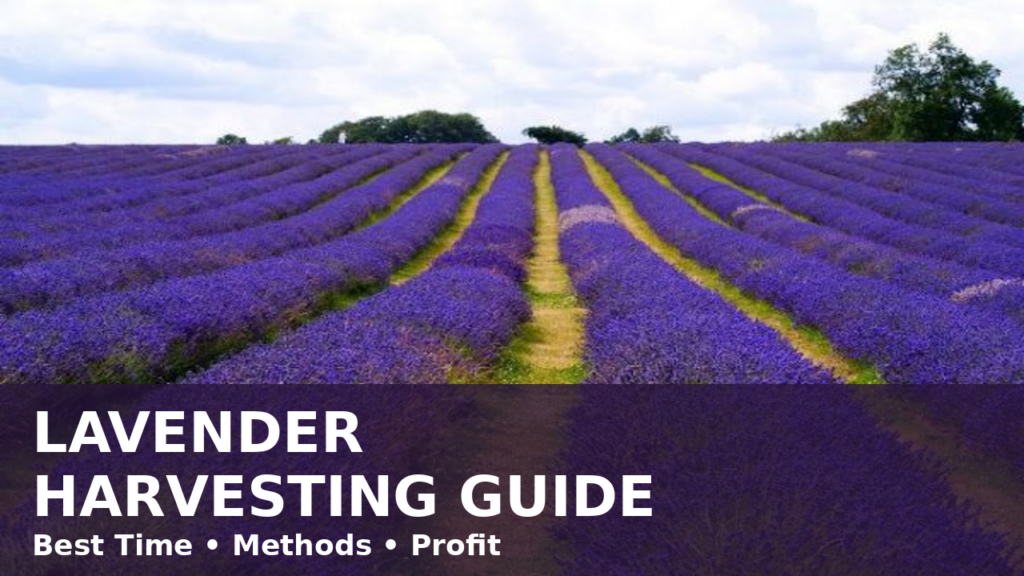
The Gentle Art of Lavender Harvesting
A Complete Guide to Timing, Techniques, and Opportunities
Lavender is more than a beautiful purple flower — it is a high-value aromatic crop used in essential oils, cosmetics, wellness products, and dried floral arrangements. The secret behind its fragrance and quality lies in how and when it is harvested.
This guide explains the science, methods, and opportunities behind lavender harvesting, especially relevant for farmers, agri-entrepreneurs, and aromatic crop enthusiasts.
Why Lavender Harvesting Timing Matters
The fragrance and oil content in lavender depend heavily on the stage of bloom.
Farmers usually harvest on dry, sunny days, from mid-morning to early afternoon. This ensures:
-
No moisture on plants
-
Maximum oil concentration
-
Better drying quality
Ideal Harvest Stages
✔ Fresh bouquets
Harvest when only a few flowers are open for longer shelf life.
✔ Dry buds & craft use
Harvest when 25–50% of flowers are open to preserve color and aroma.
✔ Essential oil production
Harvest when about half the flowers begin to fade — oil content peaks at this stage.
Proper timing directly affects market value and product quality.
Lavender Harvesting Methods
Traditional Manual Harvesting
Common in small farms and hilly regions.
Process:
-
Gather stems in handfuls
-
Cut with sharp sickle or blade
-
Leave sufficient stem for regrowth
Benefits:
-
Gentle handling
-
Better flower quality
-
Suitable for premium markets
Mechanical Harvesting
Used in large commercial farms.
Process:
-
Machine cuts rows quickly
-
Flowers collected and transported immediately
-
Sent for drying or oil distillation
Benefits:
-
Saves labor cost
-
Faster harvesting
-
Maintains uniform quality
🇮🇳 Lavender Farming in India
Lavender grows best in cool climates with low rainfall and well-drained soil.
Major Cultivation Regions
-
Jammu & Kashmir
-
Bhaderwah Valley (emerging lavender hub)
-
Himachal Pradesh
-
Uttarakhand
Harvest season usually falls between August and September, depending on altitude and climate.
Yield & Crop Life
-
Good yield starts from 2nd year
-
Productive life: 10–15 years
-
Multiple value-added opportunities
Lavender products are sold across India, including Maharashtra markets.
Post-Harvest Processing
After harvesting, lavender must be processed quickly.
Drying
Bundles are hung upside down in shaded, ventilated areas to preserve color and fragrance.
Distillation
Steam distillation extracts essential oil used in:
-
Aromatherapy
-
Cosmetics
-
Medicines
-
Wellness products
Value-Added Products
-
Essential oils
-
Dried buds & sachets
-
Herbal teas
-
Soap & skincare
-
Agarbatti & fragrance products
Farm Management & Modern Practices
Successful lavender growers use modern farm practices:
✔ Recording harvest dates
✔ Monitoring yield and oil content
✔ Managing labor efficiency
✔ Tracking field performance
Digital farm tools help improve productivity and ensure traceability for export markets.
Economic Potential of Lavender
Lavender is gaining popularity due to its profitability and diverse market demand.
Income Opportunities
-
Essential oil extraction
-
Floral & decorative products
-
Herbal wellness market
-
Agro-tourism (lavender farms attract visitors)
With proper processing and marketing, lavender can provide higher returns than many traditional crops.
Conclusion
Lavender harvesting is a blend of science, precision, and gentle handling. From choosing the right harvest stage to careful drying and processing, each step influences fragrance, quality, and profitability.
As aromatic crops gain popularity in India, lavender offers a promising opportunity for farmers and agri-entrepreneurs seeking diversification and value addition.