
Farmers as Stewards of the Land: Protecting Soil, Water, and Biodiversity
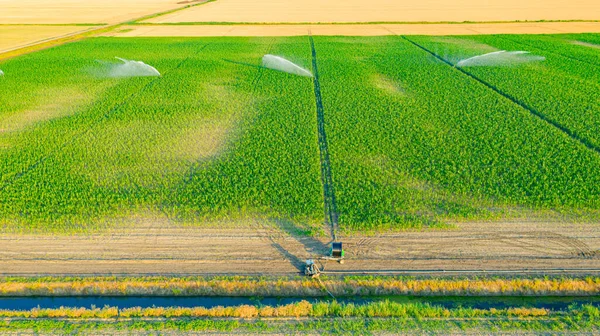
Farmers as Stewards of the Land: Protecting Soil, Water, and Biodiversity
Introduction
Farmers are more than food producers — they are guardians of soil, water, and biodiversity, and their everyday decisions shape the health of rural landscapes. Across the world, farming is deeply connected with land care because a farmer’s income, family future, and community well-being depend on the long-term productivity of the land.
When farmland remains healthy, it becomes more resilient to droughts, floods, and market shocks, helping ensure food security and sustainable rural livelihoods.
Why Farmers Are True Stewards of the Land
Farmers cultivate the same fields season after season, witnessing firsthand how erosion, nutrient depletion, and pollution affect crop yields and production costs. This direct experience encourages them to adopt practices that protect soil structure, conserve water, and maintain ecological balance rather than focusing only on short-term gains.
Responsible land management also safeguards essential ecosystem services such as:
-
Pollination
-
Natural pest control
-
Clean water systems
-
Soil fertility and biodiversity
These services support both agriculture and society.
Key Land Stewardship Practices
1. Conservation Practices
Many farmers adopt conservation measures to protect natural resources, including:
-
Fencing streams to prevent livestock contamination
-
Harvesting and slowing water runoff
-
Using crop rotations and cover crops to prevent erosion
These practices reduce resource waste, prevent contamination, and preserve valuable topsoil.
2. Preservation of Sensitive Areas
Farmers sometimes leave portions of land uncultivated to allow soil recovery and support biodiversity. Examples include:
-
Grass buffer strips
-
Vegetation along waterways
-
Habitat zones for wildlife and pollinators
These preserved areas improve on-farm biodiversity and strengthen ecosystem resilience.
3. Moderation in Input Use
Responsible farmers apply fertilizers and pesticides only when needed and in recommended quantities.
Benefits include:
-
Protecting soil microorganisms
-
Preventing water contamination
-
Safeguarding beneficial insects
-
Reducing input costs
This balanced approach supports both environmental health and farm profitability.
Benefits of Sustainable Land Care
Investing in sustainable land stewardship provides long-term advantages:
✔ Improved soil fertility and organic matter
✔ Better water retention and drought resilience
✔ Stable yields under changing weather conditions
✔ Reduced input costs over time
✔ Healthier livestock and beneficial organisms
✔ Enhanced biodiversity and ecosystem balance
Healthy soils act like natural reservoirs, storing water and nutrients that crops need for consistent growth.
Moving Toward Better Stewardship
Improving land stewardship does not require sudden drastic changes. Farmers can begin with small, practical steps:
-
Assess areas where nutrients or chemicals may be lost
-
Adjust fertilizer timing and application methods
-
Improve drainage and runoff management
-
Introduce buffer strips or cover crops
Gradual improvements build a culture of stewardship that benefits both farm businesses and surrounding communities.
Conclusion
Farmers play a vital role as caretakers of the land. By practicing conservation, preservation, and moderation, they protect natural resources while improving productivity and profitability.
Sustainable land stewardship ensures that future generations inherit fertile soils, clean water, and thriving ecosystems — the true foundation of resilient agriculture.