Permaculture Farming: A Sustainable Future for Agriculture
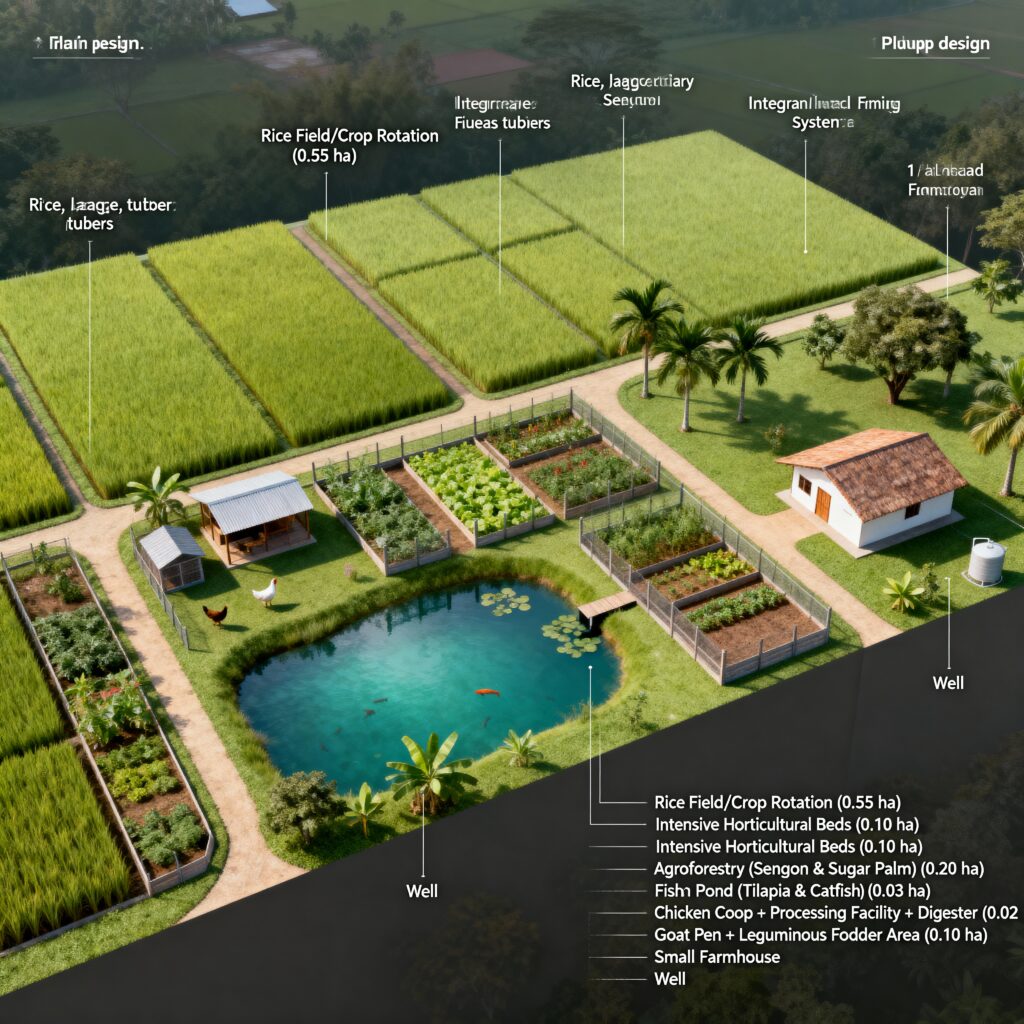
Permaculture Farming: A Sustainable Future for Agriculture
Introduction
Permaculture is a holistic approach to agriculture that designs farms and landscapes to function like natural ecosystems. Instead of relying on chemical inputs and industrial farming methods, permaculture encourages farmers to work with nature to produce food, fiber, and other resources sustainably over the long term.
By integrating crops, trees, livestock, water systems, and natural cycles, permaculture improves soil fertility, reduces costs, and creates resilient farming systems that remain productive year after year.
What is Permaculture?
The term permaculture comes from “permanent agriculture.” It focuses on designing self-sustaining agricultural systems that mimic natural ecosystems.
Rather than depending heavily on fertilizers, pesticides, and external inputs, permaculture systems rely on biodiversity, natural nutrient cycles, and ecological balance to maintain productivity.
Core Ethics of Permaculture
Permaculture is guided by three powerful ethical principles:
Care for the Earth
Protect soil, water, forests, and biodiversity to maintain environmental health.
Care for People
Ensure food security, healthy living conditions, and strong rural livelihoods.
Fair Share
Use resources responsibly and share surplus to support sustainability and future generations.
These ethics shape decisions about land use, resource management, and community well-being.
Principles of Permaculture Design
Permaculture design uses practical principles to create efficient and resilient systems:
Observe and Understand Nature
Study local soil, rainfall, slope, sunlight, and microclimates before planning.
Capture and Store Energy
Harvest rainwater, conserve nutrients, and use renewable energy sources.
Ensure Every Element Gives a Yield
Each component should provide useful outputs such as food, fodder, fuel, or fertility.
Produce No Waste
Recycle crop residues, compost organic waste, and reuse resources.
Use Renewable Resources
Reduce reliance on synthetic chemicals and fossil fuels.
Integrate Farm Components
Combine crops, livestock, trees, and water systems so they support each other.
Promote Diversity
Mixed cropping and agroforestry reduce pest attacks and climate risks.
Why Permaculture is Important Today
Modern monocropping and chemical-intensive farming have created serious challenges:
-
Soil fertility decline
-
Water pollution and overuse
-
Increased pest resistance
-
Rising input costs
-
Loss of biodiversity
Permaculture offers a sustainable solution by restoring soil health, conserving water, and improving farm resilience.
Permaculture Practices Farmers Can Adopt
Farmers can start permaculture with simple practices:
✔ Mixed cropping and crop rotation
✔ Agroforestry and tree integration
✔ Mulching and composting
✔ Rainwater harvesting
✔ Natural pest control methods
✔ Livestock integration for nutrient cycling
✔ Use of local and climate-resilient crops
Role of Technology in Modern Permaculture
Digital farm management tools now support permaculture implementation by helping farmers:
-
Monitor soil health and weather data
-
Plan crop rotations efficiently
-
Track input usage and costs
-
Reduce fertilizer and pesticide dependence
-
Improve productivity and sustainability
These tools enable farmers to adopt climate-smart and regenerative practices more effectively.
Benefits of Permaculture Farming
Improves soil health and organic matter
Reduces farming costs and external inputs
Conserves water and prevents erosion
Enhances biodiversity and ecological balance
Improves climate resilience
Provides stable long-term yields
Supports sustainable rural livelihoods
Conclusion
Permaculture represents a sustainable and climate-resilient approach to agriculture. By designing farms that work like natural ecosystems, farmers can protect soil and water, reduce input costs, and build long-term productivity.
Combining traditional ecological knowledge with modern technology, permaculture provides a practical pathway toward profitable, environmentally friendly, and future-ready farming systems.